
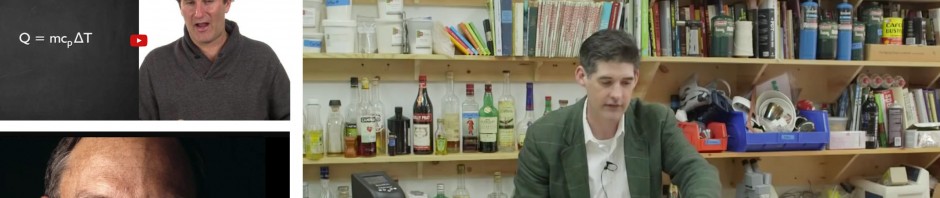
I am left enthralled, animated, educated, excited, mesmerized, inspired, hungry for more and quite simply … in-awe, after auditing a 10 week online course presented by Harvard University last fall. The course was called Science and Cooking.

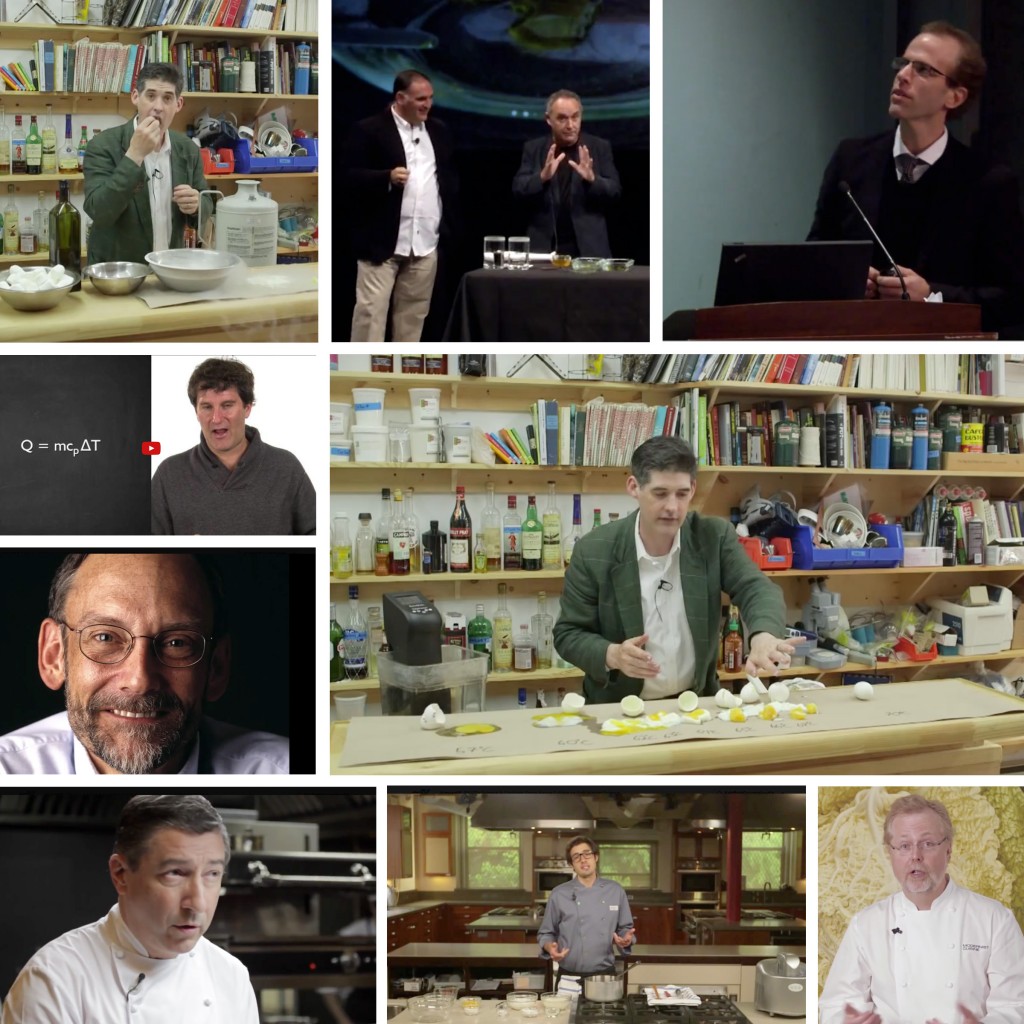
What initially got my attention was the roll call of chefs that were to be part of this lecture/demonstration series. Names like Ferran Adria
(El Bulli), Jose Andres (ThinkFoodGroup), Dan Barber (Blue Hill), Joan Roca (El Celler de Can Roca), Nathan Myhrvold (Modernist Cuisine), Wylie Dufrsene (WD 50)…. you name it! But as the course started unveiling, I realized what a goldmine of information it really was. The simple idea behind it was to discuss where haute cuisine is at these days and explaining the science behind the techniques being used in today’s modern kitchens. Top notch chefs demonstrated incredible techniques of molecular gastronomy while Harvard professors explained the science behind it all. Plus a healthy and enlightening dose of historic insights thrown in by the one and only, Harold McGee!
I absolutely LOVED the experiments demonstrated by Dave Arnold (Cooking Issues/MOFAD). He has this incredible savvy when it comes to explaining complex subjects to an average person like me. For instance, he talked about sous vide cooking and demonstrated various stages of cooked egg at temperatures ranging from 57 - 70 degrees. It made so much sense to see what happens to the egg whites as well as the yolks at various temperatures and it gave me great understanding of things like - what the perfect egg for Eggs Benedict should look like at 62 degrees. Or how the egg at 63 degrees is desirable for consommes. How fun to realize that the egg yolk at 66 degrees is moldable in shapes like easter bunnies etc yet at 67 degrees it is cooked a bit too much and will shatter if pressed or molded. For the first time EVER in my life, I actually stopped to think about what it means to cook an egg at a perfect temperature. As a foodie, this knowledge was truly eye opening. It has left me curious and eager to delve deeper into the subject. It made me realize just how little I really know about food!
Ferran Adria, a founding father of haute cuisine, demonstrated the spherification technique he invented. It allows him to give a defined shape to liquid ingredients without changing their flavor integrity or consistency. He does that by using the properties of calcium mixed in liquids. Mind blowing!
Dan Barber fascinated me as he asked: Is there a role for a chef that goes beyond manipulating ingredients?
He spoke about his cooking philosophy. He said while chefs like Ferran Adria are focused on manipulation of ingredients on a plate, he is more interested in manipulation of those ingredients “before” they enter a kitchen. He is looking at the science and choices one has in the growing stages of each ingredient. Instead of focusing on a recipe for a dish he wonders about the recipe of each ingredient? The recipe for the recipe, as he calls it. He is more interested in how the vegetables are being grown and under what conditions. How the animals are being raised and what they eat…. he believes, nay, he knows that all these details make a huge difference to how these ingredients will ultimately taste on a plate. He is exploring how to create and nurture the soil where the ingredients grow. Reusing, recycling, repurposing. He gave an example of using lobsters he served at a wedding. After the wedding, he was left with a whole bunch of lobster shells. He decided to put lobster shells in the compost pile. Later he cooked potatoes in that broken down compost and got lobster flavored potatoes! Can you imagine the possibilities of this kind of thinking? Extracting and injecting flavors in a natural way without hurting the environment. No extra chemicals required and no need for GMOs!!!
Perhaps the most applicable information I learned was from the video lectures presented by America’s Test Kitchen. The topics were always very relevant to what an average home cook would need. Like how to make the best french fries… or the best chocolate chip cookies. The common mistakes we usually make in our home kitchens were explored and explained while the best tips and tricks were demonstrated. Totally invaluable.
There were a lot of scientific concepts that went way over my head, I have to admit. And I pretty much ignored all the assigned quizzes and homework assignments. But I can certainly say that I will forever be seeing as well as tasting my food differently. If Harvard University offers this course again, I strongly urge you to give it a try. As for me, I shall be revisiting each of the lectures one more time in the coming weeks while I anxiously wait for a sequel.

Lobsters have no bones. Shells are their exoskeleton.
Thanks for catching my error. I will make the change.
Happy eats!